Embarking on an Ephesus Tour from Kusadasi is a journey into the heart of ancient history, offering a glimpse into one of the best-preserved cities of antiquity. Conveniently located near Kusadasi, Ephesus is a treasure trove of ruins that narrate tales of bygone eras. From the majestic Library of Celsus to the awe-inspiring Great Theatre, this tour promises an unforgettable encounter with history.
Planning Your Ephesus Adventure
Planning your visit to Ephesus from Kusadasi requires consideration of several key factors. The best time to embark on this journey is during the spring (April to June) or autumn (September to October) when the weather is pleasant and ideal for exploring the ruins without the sweltering summer heat. Early mornings are particularly recommended to enjoy the serene atmosphere before the crowds arrive.
When preparing for the tour, ensure to pack essentials such as comfortable walking shoes, a hat, sunscreen, and water. The extensive site requires considerable walking, so comfort is key. It’s also advisable to bring along a guidebook or join a guided tour to enhance your understanding of the historical significance of each site.
For a more in-depth experience, consider downloading a mobile app for Ephesus that provides audio guides and maps. Some tours also offer headsets, so you can easily hear your guide even in crowded areas. Don't forget your camera, as Ephesus is incredibly photogenic, with many picturesque spots waiting to be captured.
Exploring the Iconic Library of Celsus
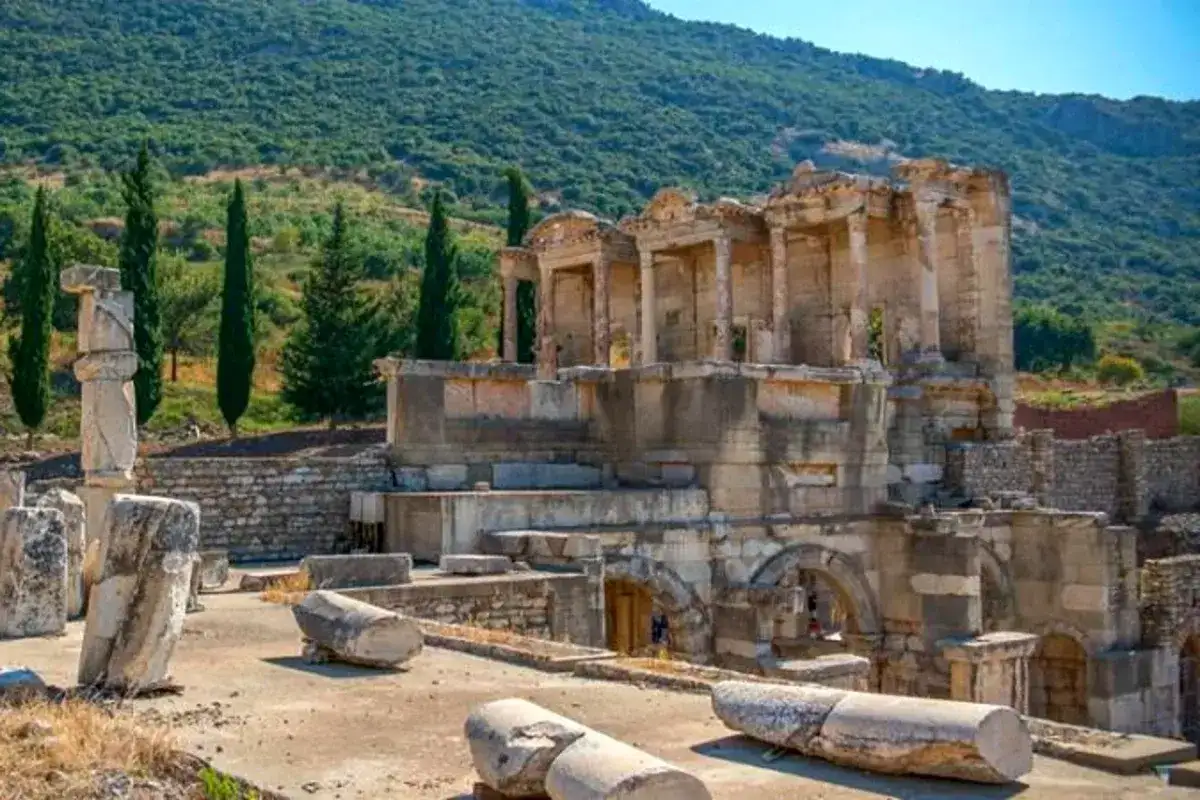
The Library of Celsus stands as a testament to the grandeur of Ephesus, renowned for its impressive architecture. Originally built in 114 AD, it served as a monumental tomb for Tiberius Julius Celsus Polemaeanus, the governor of Asia. The façade, adorned with ornate columns and statues, is a highlight for visitors, offering a perfect backdrop for photos.
Inside, the library once housed over 12,000 scrolls, making it one of the most significant libraries of the ancient world. Though the interior has not survived the test of time, the restored façade captures the imagination, allowing visitors to envision its past glory. Take a moment to appreciate the intricate details of the carvings and the symbolism behind the sculptures that adorn the entrance.
Local tip: Visit early in the morning or late in the afternoon to avoid the peak tourist hours. This will not only give you a better view but also allow for quieter moments to appreciate the library's grandeur.
The Great Theatre: Echoes of the Past
Another must-visit on the Ephesus Tour is the Great Theatre, a magnificent structure that could accommodate up to 25,000 spectators in its heyday. This colossal amphitheater was not only a venue for theatrical performances but also for gladiatorial contests and public gatherings.
The acoustics of the Great Theatre are remarkable, and standing at its center offers a sense of connection to the ancient audiences who once filled its seats. The views from the top tiers provide a sweeping panorama of the surrounding landscapes, adding to the theatre's allure.
Be sure to check if any performances or events are scheduled during your visit; experiencing a show in this historic venue can be a magical experience. If not, consider sitting in the seats and imagining the roar of the crowd, or even trying out the acoustics by speaking or singing from the center stage.
Local tip: Bring binoculars to better appreciate the details of the architecture and the surrounding area from the higher tiers of the theatre. The views of Ephesus and beyond are simply breathtaking.
The Sacred House of the Virgin Mary
Located on the outskirts of Ephesus, the House of the Virgin Mary is a significant pilgrimage site for both Christians and Muslims. Believed to be the final resting place of Mary, mother of Jesus, this modest stone house offers a serene setting for reflection and prayer.
Visitors often leave notes and prayers at the wishing wall, hoping for blessings. The site includes a small chapel where mass is occasionally held, providing a spiritual experience amidst the historic landscape.
Make sure to spend some time in the peaceful gardens surrounding the house, which are beautifully maintained and provide a tranquil environment for contemplation. There are also fountains where visitors can drink the holy water, believed to have healing properties.
Local tip: If time allows, participate in the rituals or prayers that take place at the site. It’s a unique opportunity to connect with various cultures and religions in this sacred space.

Additional Sites to Discover
Aside from the main attractions, Ephesus is home to numerous other fascinating sites. The Temple of Artemis, one of the Seven Wonders of the Ancient World, is worth a visit despite its ruins being sparse. Nearby, the Terrace Houses offer insight into the opulent lifestyles of the city's elite, featuring well-preserved mosaics and frescoes.
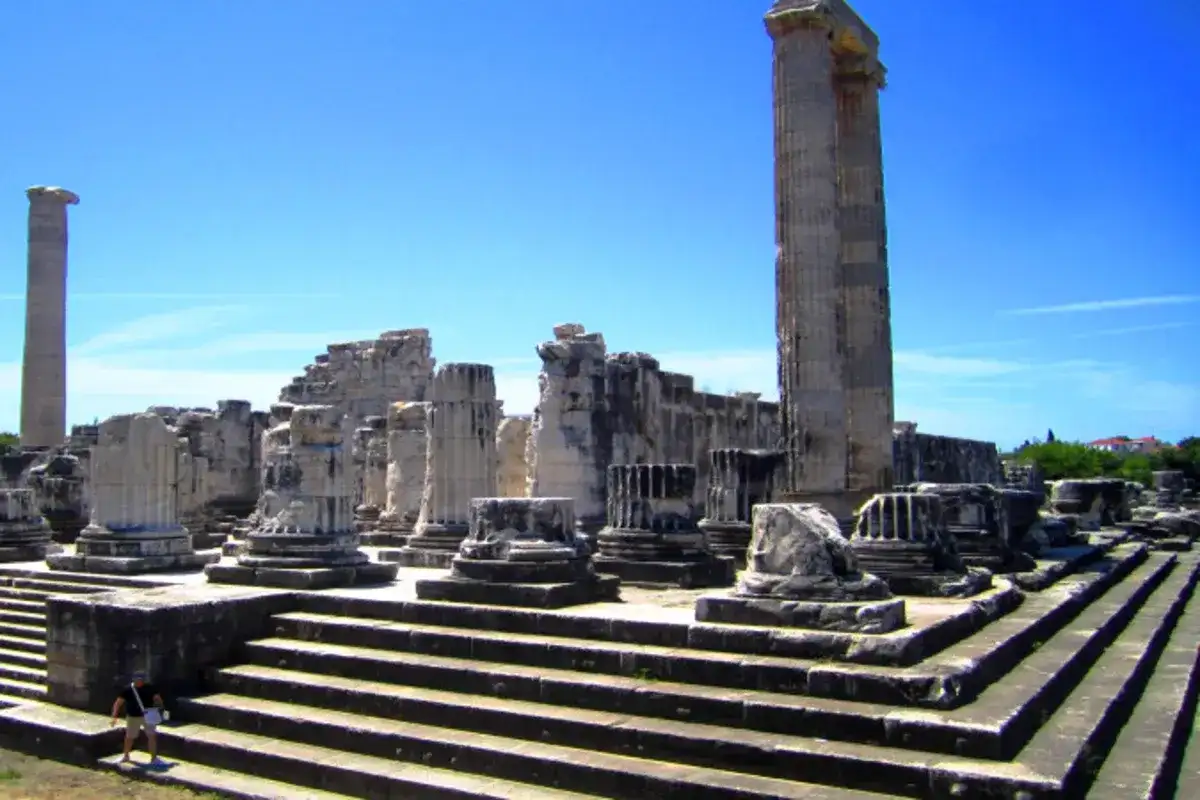
For those interested in an extended historical exploration, consider the Priene, Miletus & Didyma Tour from Kusadasi, which covers three ancient cities in one day, enhancing your understanding of the region's rich past.
Also, don’t miss the Basilica of St. John, where it is believed that the apostle was buried. The ruins provide fascinating insights into early Christian architecture and the significance of John in the early church. This site is often less crowded than the main attractions, allowing for a more intimate exploration.
Local tip: Hire a local guide for a more immersive experience at these additional sites. They can provide fascinating stories and insights that you might miss when exploring on your own.
Booking Your Ephesus Experience
Booking your Ephesus tour from Kusadasi is a straightforward process. Many tours, such as the Ephesus Tour from Kusadasi, offer the convenience of hotel pickup and flexible payment options, allowing you to pay on the day of the tour. Additionally, free cancellation up to 24 hours before the tour date ensures peace of mind in case of changes to your plans.
For a more personalized experience, you might consider Private Tours in Kusadasi, which allow for a tailored itinerary that suits your interests and pace. This option is particularly beneficial for families or groups with varying interests.
When booking, verify if meals are included in the tour package, as some tours offer traditional Turkish lunches at local restaurants. Experience authentic cuisine while sharing stories with fellow travelers over a delicious meal.
FAQ
What is the best time to visit Ephesus?
The best time to visit Ephesus is during the spring (April to June) and autumn (September to October) when the weather is mild, and the site is less crowded.
How long does a tour of Ephesus typically last?
A typical tour of Ephesus lasts about 4 to 6 hours, depending on the pace and whether you choose to visit additional sites such as the House of the Virgin Mary.
Can I visit Ephesus independently?
Yes, you can visit Ephesus independently. However, joining a guided tour can enhance your experience with insightful commentary and historical context.
Are there any facilities available at Ephesus?
Yes, there are facilities such as restrooms and a café at the entrance of the site. However, it's advisable to carry water and snacks as you explore the extensive ruins.
Ready to embark on an unforgettable journey through history? Start planning your visit to Kusadasi and explore the numerous tours available at Doping Travel for a comprehensive experience.